
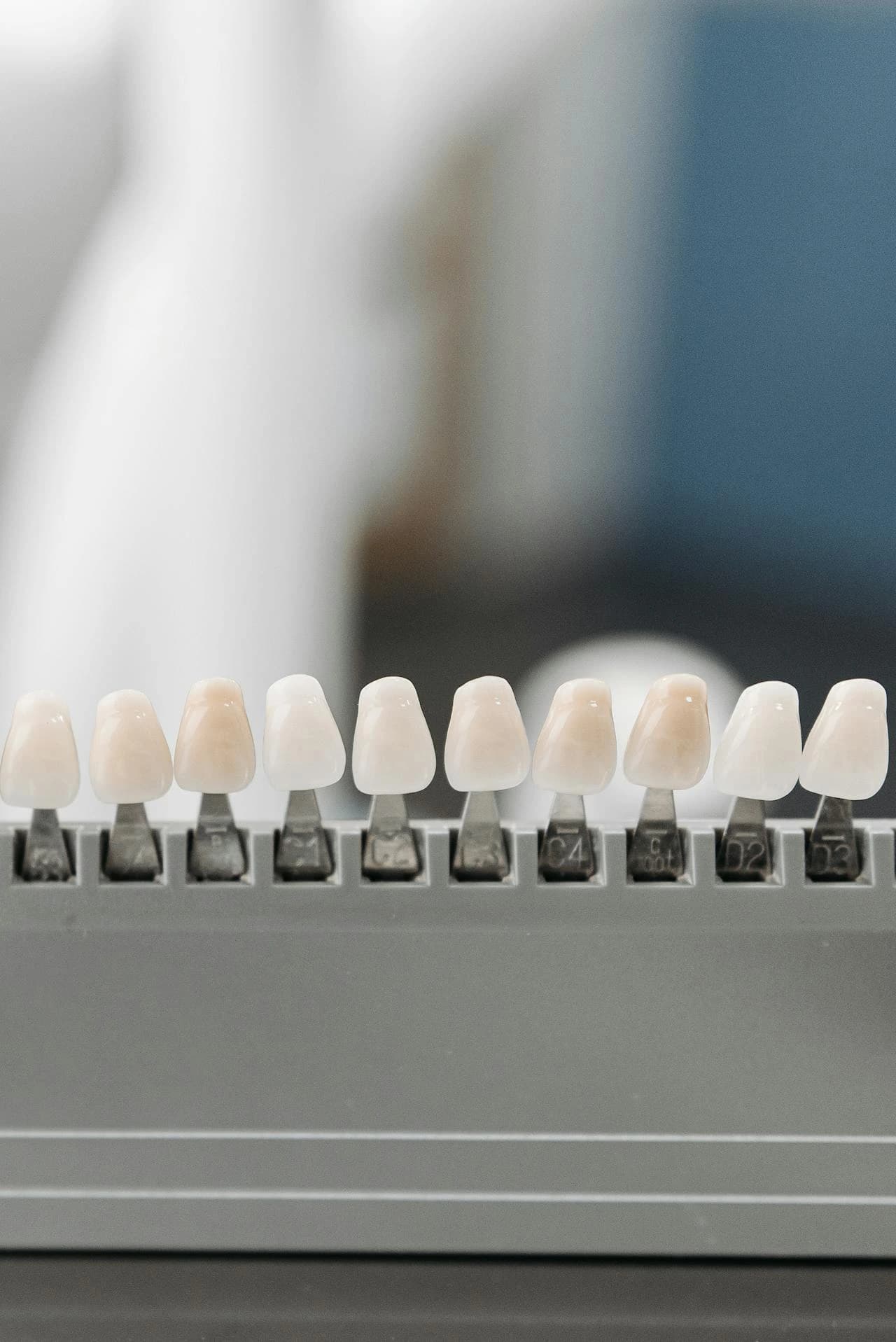
Two Restorations, Two Very Different Jobs
If you've been researching ways to improve your smile, you've probably come across both veneers and crowns — and wondered what the actual difference is. They can look similar once they're placed, but they're designed to solve different problems.
A veneer is a thin shell, usually made of porcelain, that covers only the front surface of a tooth. Think of it like a contact lens for your tooth. A crown, on the other hand, covers the entire tooth — top, sides, and all. It essentially replaces the visible portion of the tooth above the gumline.
Understanding this distinction is the first step toward knowing which one is right for you.
When Veneers Are the Better Choice
Veneers are ideal when the underlying tooth is still healthy and structurally sound but has cosmetic concerns you'd like to address. They require minimal removal of tooth structure, which means more of your natural tooth stays intact.
- Teeth that are stained or discolored beyond what whitening can fix
- Minor chips or cracks that don't affect the tooth's strength
- Small gaps between front teeth you'd like to close
- Teeth that are slightly uneven or irregularly shaped
- A smile makeover where multiple front teeth need a uniform, natural look
When a Crown Makes More Sense
Crowns are the better option when a tooth has significant structural damage or has already undergone major dental work. Because a crown wraps around the entire tooth, it provides strength and protection that a veneer simply can't offer.
- A tooth weakened by a large filling that keeps breaking down
- Teeth that have had root canal treatment and need reinforcement
- Severe cracks or fractures that compromise the tooth's integrity
- Heavily worn-down teeth, especially from grinding or a misaligned bite
- Back teeth (molars) that need restoration — veneers are generally only used on front teeth
What About Longevity and Maintenance?
Both porcelain veneers and crowns are durable restorations that can last a long time with proper care. On average, veneers last around 10 to 15 years, while well-made crowns can last 15 years or longer. The lifespan of either depends on your oral hygiene, diet, and whether you have habits like teeth grinding.
Maintenance is straightforward for both. Brush and floss normally, keep up with your regular dental visits, and avoid using your teeth as tools. If you grind your teeth at night, a protective nightguard can go a long way toward preserving your restoration — something we evaluate and address regularly at the clinic.
One thing worth noting: veneers preserve more natural tooth structure upfront, which gives you more flexibility for future dental work down the road. Crowns remove more tooth material, so once you have one, that tooth will always need a crown.
How a Cosmetic Dentist in Cebu Decides
The honest answer is that the right choice depends entirely on your specific situation — and that's exactly why a proper evaluation matters. At TADOC, we don't recommend veneers or crowns based on what's trending. We look at the health of the tooth, how your bite comes together, and what your goals are.
For patients in Cebu considering a smile upgrade, the process starts with a thorough assessment. We examine the structural condition of each tooth, check your bite alignment, and talk through what you're hoping to achieve. Sometimes the answer is clearly veneers; sometimes it's clearly a crown. And sometimes a combination of both gives you the best result.
Dr. Aaron James Tampus takes a neuromuscular approach to restorative work, meaning your bite function is always part of the conversation — not just how things look. A beautiful restoration that doesn't work well with your bite won't serve you in the long run.
The Best First Step
If you're weighing veneers against crowns and aren't sure which direction to go, that's completely normal — and it's not a decision you need to make on your own. The best thing you can do is have a conversation with a dentist who can evaluate your teeth and walk you through your options honestly.
Whether you're dealing with a cosmetic concern, a damaged tooth, or you're ready for a full smile transformation, getting a clear picture of where things stand puts you in the best position to make a confident decision.